
Padel Cwmcarn: Indoor Courts, Booking Options and Playing Costs
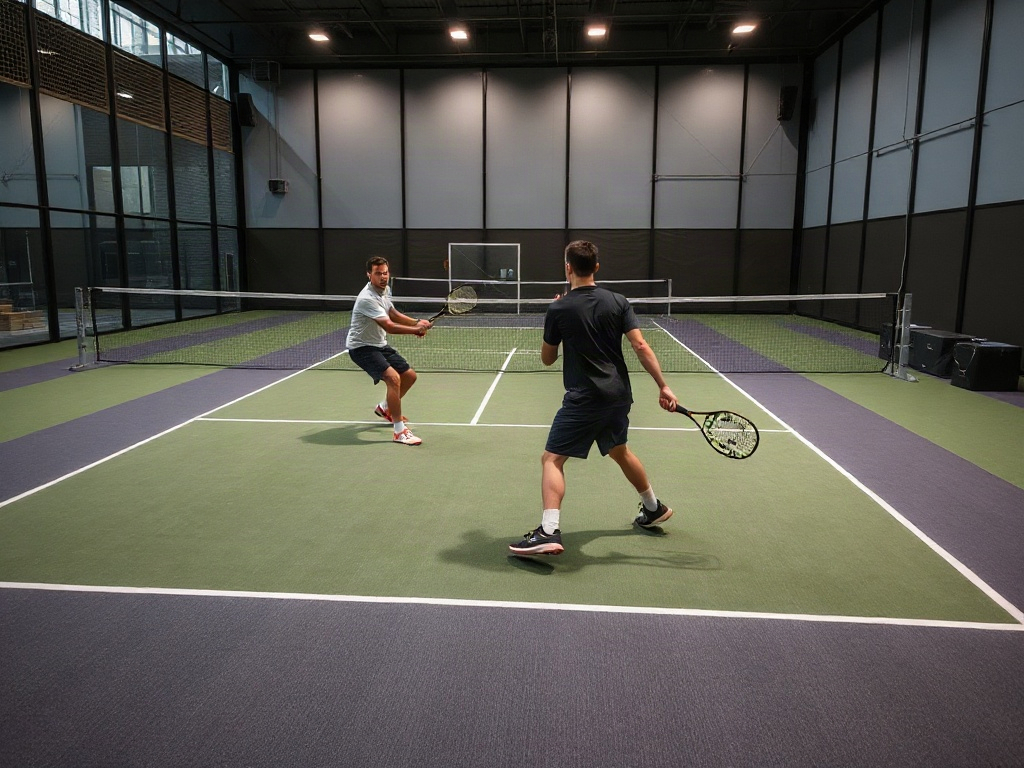
Padel has become one of the most exciting racket sports for players who want fast rallies, simple rules, and a social atmosphere that still delivers a serious workout. In South Wales, interest in the game has been rising quickly, and more players are now looking for venues that combine convenience, quality surfaces, and reliable year-round access. That is exactly why padel cwmcarn is drawing attention from beginners, casual players, and competitive pairs who want a dependable place to play. With indoor courts, flexible booking options, and pricing that can suit different schedules, the venue appeals to a broad range of players. It also offers the kind of environment where weather never has to ruin a planned session. If you are considering a visit, it helps to understand what the facilities offer, how bookings work, and what costs to expect before stepping onto court.
One of the biggest advantages of indoor padel is consistency, because the experience does not change dramatically when the weather turns wet or windy. That matters in Wales, where outdoor sport can be affected by conditions almost at any time of year. A covered venue also gives players more confidence when arranging matches in advance, since there is less risk of cancellations. Beyond that, indoor play can be more comfortable for newcomers who may want a stable setting while they learn the game. For more experienced players, the predictable bounce and controlled environment can make tactics and shot selection easier to refine. Taken together, those benefits explain why local players are increasingly interested in venues that can guarantee regular access.
Overview of Padel in Cwmcarn

The padel scene in Cwmcarn fits neatly into the wider growth of the sport across the UK, where more clubs and sports centres are adding courts to meet demand. Local players are often looking for a venue that feels accessible rather than intimidating, and that is one reason this area stands out. The community appeal of padel is part of the attraction, since the game is easy to pick up but still rewarding enough to keep players coming back. Whether someone wants to play socially after work or build match fitness on the weekend, the sport provides a flexible format that works for many schedules. As participation rises, venues that offer indoor access become even more valuable because they support regular play throughout the year. In that sense, Cwmcarn is becoming a practical option for a diverse range of players.
Another reason the area is appealing is that padel suits people with different expectations from sport. Some want a relaxed game with friends, while others prefer a structured session that feels more competitive. The smaller court, enclosed walls, and doubles format create a style of play that encourages teamwork and quick decision-making. Because of that, many first-time players find it less intimidating than tennis, while experienced racket-sport players appreciate how much skill is still involved. Local venues that support that range of users tend to develop strong repeat traffic. That makes Cwmcarn an attractive place to look if you want a court that supports both social and serious play.
Indoor Courts at Padel Cwmcarn
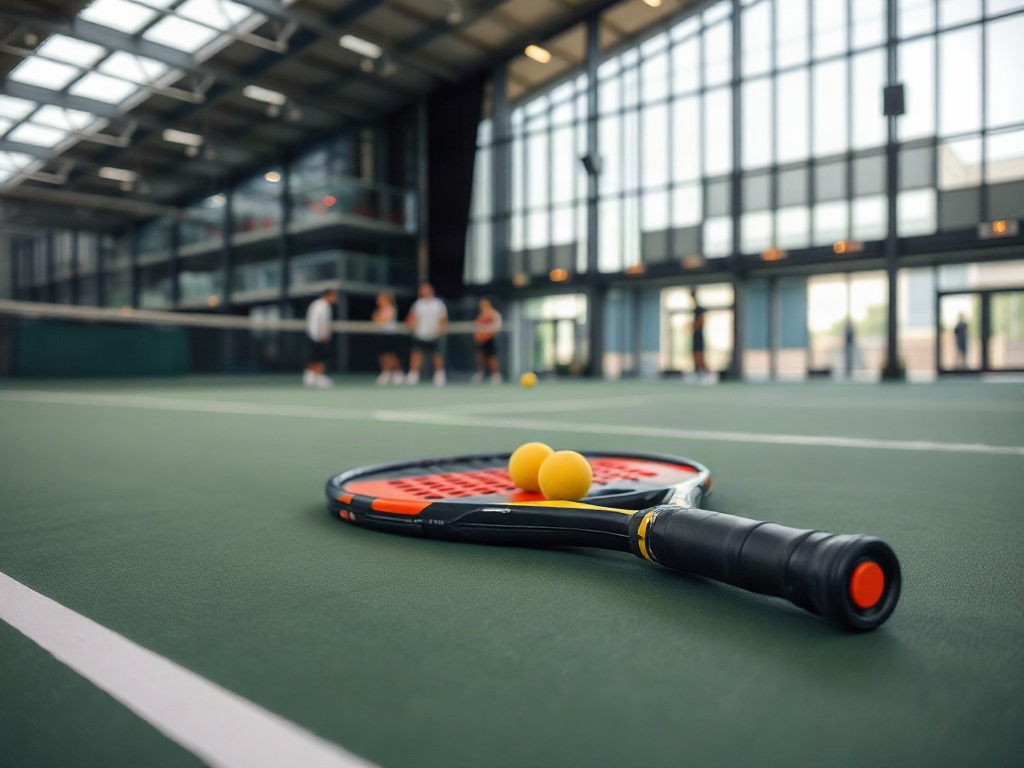
The indoor courts at padel cwmcarn are a major part of what makes the venue appealing. Indoor facilities remove one of the biggest barriers to regular padel, which is the unpredictability of the weather. Rain, strong winds, and colder temperatures can all disrupt outdoor sports, but an indoor setting keeps play moving smoothly. That is especially helpful for players who want to book sessions in advance without worrying about last-minute changes. It also means sessions can feel more comfortable across the seasons, rather than being limited to the best days of the year. For many players, this reliability is one of the strongest reasons to choose an indoor venue.
Court Surface and Playing Conditions
Indoor padel courts are typically designed to provide a balanced and consistent playing surface, which helps players judge the speed and bounce of the ball more accurately. Good lighting is equally important, since it supports clear visibility during fast exchanges at the net and deep defensive lobs from the back glass. In a well-managed indoor space, the atmosphere tends to feel controlled, clean, and focused on play rather than external conditions. Players who are still learning often benefit from this kind of setup because it reduces distractions and lets them concentrate on technique. More advanced players also gain from the consistency, as they can develop shot patterns and tactics without having to adjust to wind or uneven court exposure. Overall, the indoor conditions create a reliable base for enjoyable and competitive padel.
For many visitors, the quality of the environment matters just as much as the court itself. A well-ventilated indoor venue can make longer sessions more pleasant, while strong acoustic management can reduce noise fatigue during busy periods. Comfortable surroundings also make it easier for spectators, partners, and waiting players to spend time at the venue. That sense of order can improve the whole experience, even for people who are only there for a short session. It also helps new players feel more at ease when they arrive. When a court feels polished and dependable, the sport becomes easier to enjoy from the first rally.
Who the Courts Are Suitable For
The courts are suitable for a wide range of players, which is one of the main strengths of padel. Beginners can benefit from the enclosed design, since the walls keep rallies alive and make the game less stop-start than tennis. Casual players often enjoy the social nature of doubles, where communication and teamwork matter as much as individual shot-making. Competitive players, meanwhile, can use the same courts for more intense sessions focused on positioning, strategy, and faster point construction. Coaching groups and social leagues can also fit naturally into this kind of venue. That flexibility makes the courts accessible without feeling overly specialised.
- Beginners who want a friendly and forgiving introduction to racket sports.
- Casual groups looking for a fun, social activity with low entry barriers.
- Intermediate players who want to improve shot selection and court movement.
- Competitive players seeking regular match play in a controlled environment.
- Coaches and clubs arranging structured sessions or training blocks.
Booking Options for Players
Booking a court should be straightforward, and that ease of access is one reason indoor padel venues are so popular. Players usually want a process that is quick, transparent, and available without too much back-and-forth. Whether booking for an evening match with friends or a recurring weekly session, the ideal system should show availability clearly and confirm the reservation without delay. Many venues now rely on digital booking tools because they save time and make scheduling more flexible. That is useful for players who plan around work, family, or other sports commitments. A simple booking system can make the difference between a one-off visit and a regular playing routine.
How to Book a Court
Most players will start by checking available time slots through the venue’s website, app, or other reservation platform. Once a slot is chosen, the system usually asks for basic details, including the number of players and any relevant contact information. In many cases, payment is completed at the same time, which keeps the process quick and secure. Some venues also allow users to review future availability, making it easier to plan sessions around peak and off-peak times. If a court is fully booked, the system may offer alternatives or waiting-list options. A smooth digital process means less admin and more time on court.
- Check available court times for the day you want to play.
- Select the session length that suits your group.
- Enter the booking details and confirm the number of players.
- Complete payment through the venue’s booking system.
- Receive confirmation and arrive with enough time to get ready.
Group and Regular Play Arrangements
Players who want to return regularly often look for more than a one-off reservation. Group bookings can make it easier for friends, colleagues, or club members to secure a recurring slot without having to reorganise every week. Some venues also support coaching sessions, beginner classes, or league-style play that gives structure to a regular routine. For people who are serious about improving, these options can be just as important as the court itself. They create consistency, which is useful for both skill development and social momentum. If a venue supports organised repeat play, it becomes much more than a place to turn up and hit a few balls.
| Booking Type | Best For | Typical Benefit |
|---|---|---|
| Single Session | New players or occasional visitors | Quick and flexible way to try the venue |
| Group Booking | Friends, colleagues, and social teams | Easier coordination for doubles play |
| Recurring Slot | Regular players and club members | Consistent weekly access to the same time |
| Coaching Session | Beginners and improvers | Structured guidance and technique development |
Playing Costs and Pricing Structure
Understanding the cost of play is essential before booking, especially if you plan to visit regularly. Padel pricing often depends on the time of day, the length of the session, and any extra services attached to the booking. Some venues use peak and off-peak pricing to balance demand, while others may offer discounts for memberships, group packages, or off-peak visits. That means the actual cost can vary, even within the same week, depending on when you want to play. For budget-conscious players, this can create useful opportunities to save money without giving up regular court time. Knowing the pricing structure in advance makes it easier to plan your sessions wisely.
Peak vs Off-Peak Rates
Peak times usually include evenings and popular weekend slots, when more players are looking to book and availability is tighter. Off-peak sessions often fall during quieter weekday periods and may be priced more attractively. For people with flexible schedules, these lower-cost times can make regular play much more affordable. The difference between peak and off-peak rates can also influence how often groups decide to book. If your aim is to maximise value, it pays to compare time slots rather than only looking for the earliest or latest option. Flexible players often discover that small scheduling changes lead to meaningful savings over time.
- Evening sessions often fall into peak pricing because demand is highest.
- Weekday mornings or afternoons may offer better value for flexible players.
- Weekend availability can be limited, especially for popular time slots.
- Choosing off-peak play can help reduce the cost of regular training or casual games.
Additional Costs to Consider
Beyond the basic court fee, there may be extra costs depending on what the venue offers. Some players need racket hire, especially if they are new to the sport and do not yet own equipment. Others may want to pay for coaching, which can be a worthwhile investment for faster improvement. Ball hire, membership fees, or special event charges can also affect the overall cost of a visit. While these extras are not always necessary, they are worth checking before you book so there are no surprises on arrival. A clear view of total cost helps players decide whether they want a one-off social match or a more regular playing commitment.
- Equipment hire, including rackets or balls, if you do not bring your own.
- Coaching fees for individual or group training sessions.
- Membership or subscription discounts for frequent players.
- Special event pricing for leagues, tournaments, or themed sessions.
Facilities and Amenities
Facilities and amenities can shape the overall experience just as much as the courts themselves. Players often appreciate convenient parking, clean changing areas, and places to sit before or after a match. If refreshments are available, that can make longer visits more comfortable, especially when several matches are being played in a row. Good access and simple layout also matter, because they make the venue easier to navigate for both regular players and first-time visitors. Even small details can influence whether people view a venue as practical and welcoming. In a busy padel environment, those extras often make the day run more smoothly.
Some players also care about the social side of the venue, since padel is often as much about community as competition. A comfortable waiting area or spectator space can make it easier to come with friends or family. Clear signage, helpful staff, and tidy facilities all add to the feeling that the venue is well managed. These details may not decide a booking on their own, but they can reinforce a positive impression. For a sport that relies heavily on repeat visits, those impressions matter. A venue that feels accessible and well cared for is more likely to become part of a player’s routine.
Tips for First-Time Visitors
If you are visiting for the first time, preparation can make the experience more enjoyable from the start. It is useful to arrive early so you have time to check in, change shoes, and get comfortable before play begins. Bringing water, suitable sportswear, and a grip-friendly pair of trainers can also make a difference to how you feel on court. If you are borrowing equipment, ask in advance whether rackets and balls are available so you can plan accordingly. Beginners should not worry about being perfect straight away, because padel is designed to be accessible and fun even for first-timers. The main goal is to settle in, get a feel for the space, and enjoy the rhythm of the game.
- Arrive a little early so you can prepare without rushing.
- Wear comfortable sports clothing and non-marking trainers if required.
- Bring water and, if possible, a towel for longer sessions.
- Check whether equipment hire is available before the day of play.
- Expect a social, fast-paced game that rewards teamwork and positioning.
Conclusion
Padel continues to grow because it offers a rare combination of simplicity, excitement, and social appeal, and venues with indoor access have a clear advantage in keeping players active all year round. For anyone considering a session in the area, the appeal of padel cwmcarn lies in its reliable courts, flexible booking options, and pricing that can suit different types of players. Indoor play removes the uncertainty of the weather, while the booking system and cost structure can make it easier to plan matches in advance. Whether you are new to the sport or already playing regularly, the venue provides a practical setting for both casual and more competitive sessions. With the right mix of convenience and consistency, it can become a dependable part of your weekly routine. If you want a place that supports both enjoyment and progress, this is the kind of venue worth exploring.
Frequently Asked Questions
- What makes indoor padel courts a good choice?
Indoor courts provide year-round access, consistent playing conditions, and protection from wind and rain. They also make it easier to plan sessions in advance because weather is less likely to cause disruption. - Can beginners play at Padel Cwmcarn?
Yes, beginners are usually very welcome at indoor padel venues. The game is easy to learn, and the enclosed court design helps keep rallies going while players build confidence. - How do I book a court?
Court bookings are typically made through an online system or app, where you can choose a time slot, enter your details, and complete payment. Some venues may also offer alternative booking methods depending on their setup. - Are peak-time bookings more expensive?
In many cases, yes. Evening and weekend slots often cost more than off-peak times because demand is higher, while weekday daytime sessions may offer better value. - Do I need my own padel equipment?
Not always. Some venues provide racket and ball hire, but it is best to check in advance so you know whether to bring your own gear.