
Indoor vs Outdoor Padel: How Conditions Change the Way You Play
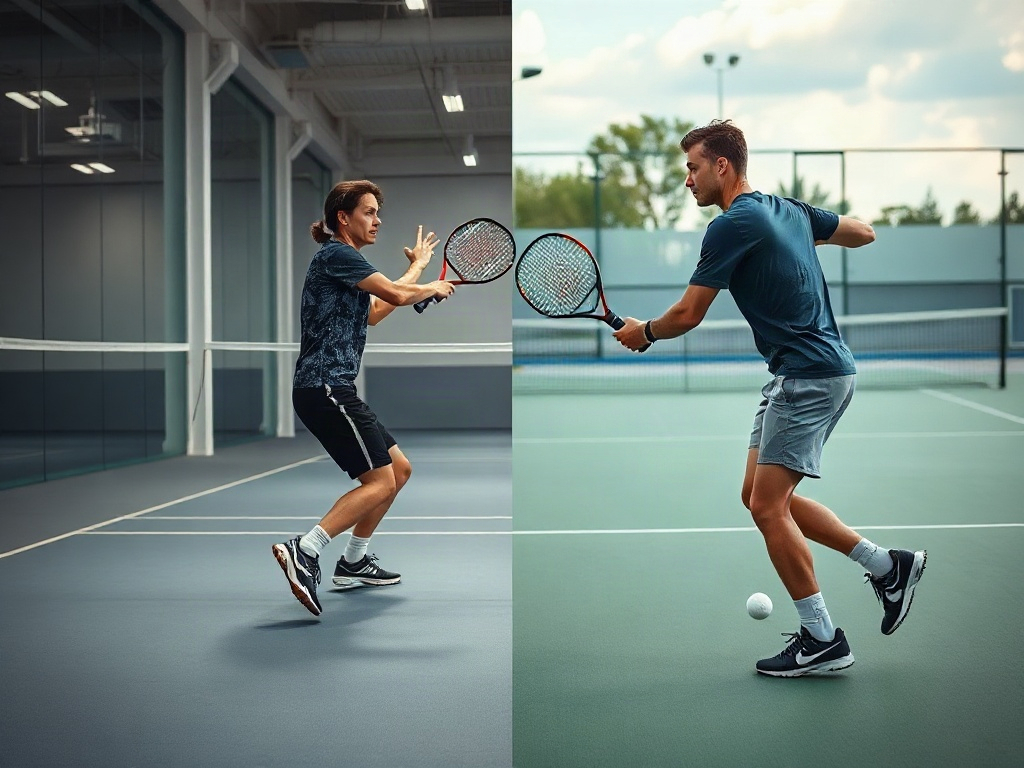
Padel may look like the same sport whether you step onto an indoor court or an outdoor one, but the experience can change dramatically the moment the match begins. The environment affects everything from the pace of the ball to the confidence of your footwork, and even small shifts in temperature or light can reshape how rallies unfold. Outdoor play introduces variables that reward adaptation, while indoor play tends to favor rhythm, control, and precision. For many players, the difference is not just about comfort, but about strategy, timing, and shot selection. If you understand how each setting influences the game, you can adjust faster and play with more purpose. That awareness often becomes the edge that separates a good performance from a frustrating one.
One of the most noticeable changes comes from how the court “feels” under pressure, because the same stroke can behave in two very different ways depending on where you are playing. An indoor match often gives players a cleaner reading of bounce, rebound, and trajectory, which helps build confidence in longer exchanges. Outdoor matches, by contrast, can ask for constant recalibration as wind, glare, humidity, and temperature alter the ball’s path. Some players thrive in predictable settings, while others enjoy the tactical chaos of outdoor conditions. Neither environment is inherently better, but each demands a slightly different mindset. The more you understand those demands, the easier it becomes to choose the right patterns and make smarter decisions on court.
Key Differences Between Indoor and Outdoor Padel Courts
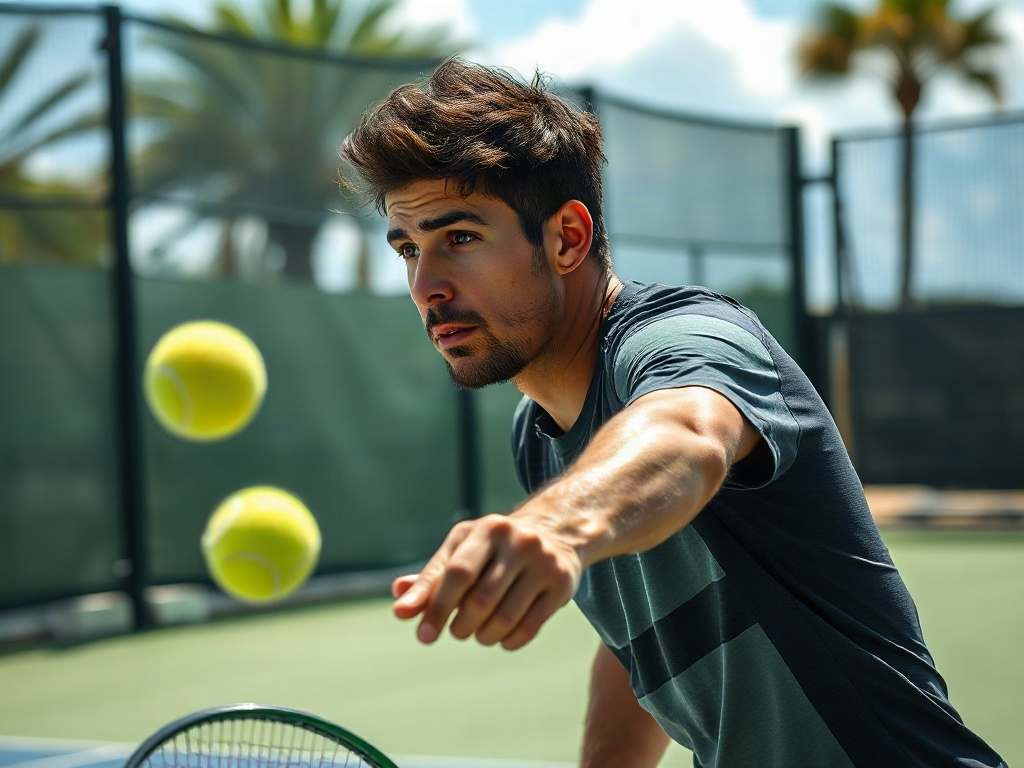
The first thing most players notice when moving between indoor and outdoor courts is how the environment changes the rhythm of the game. Indoor padel usually feels more controlled, with fewer outside distractions and more stable court conditions, which helps players settle into cleaner patterns. Outdoor padel, on the other hand, often introduces uncertainty through weather and lighting, making consistency more difficult to maintain. That uncertainty can create opportunities, but only for players who know how to adapt quickly. The court itself may look similar, yet the match can develop in a completely different way. In practical terms, your movement, shot selection, and even communication with your partner may need to shift.
Court Surface and Ball Behavior
Ball behavior is one of the clearest indicators of how indoor and outdoor padel differ in practice. Temperature, humidity, and wind can influence how fast the ball travels, how much it grips the glass, and how high it comes off the bounce. Indoors, the ball usually reacts more consistently, allowing players to trust their timing and placement more confidently. Outdoors, the same shot may flatten out, climb higher, or die unexpectedly depending on the conditions. This becomes especially important in defensive situations, where a small change in bounce can force a rushed reply. Players who pay attention to these patterns can adjust earlier and avoid being caught out of position.
Lighting and Visibility
Lighting is another factor that can quietly alter performance, especially in outdoor padel where sunlight and shadows may change over the course of a match. Indoors, artificial lighting tends to remain constant, which makes it easier to track the ball and anticipate the next shot. Outdoor courts can present glare, uneven brightness, or shifting shadows that interfere with depth perception and reaction time. Some players struggle most when serving into the sun or when lobs disappear against a bright background. Others find that artificial lighting indoors makes the ball easier to read but also removes some of the visual cues they rely on. A player who adapts well to both settings often gains a real tactical advantage.
How Weather Changes Outdoor Padel
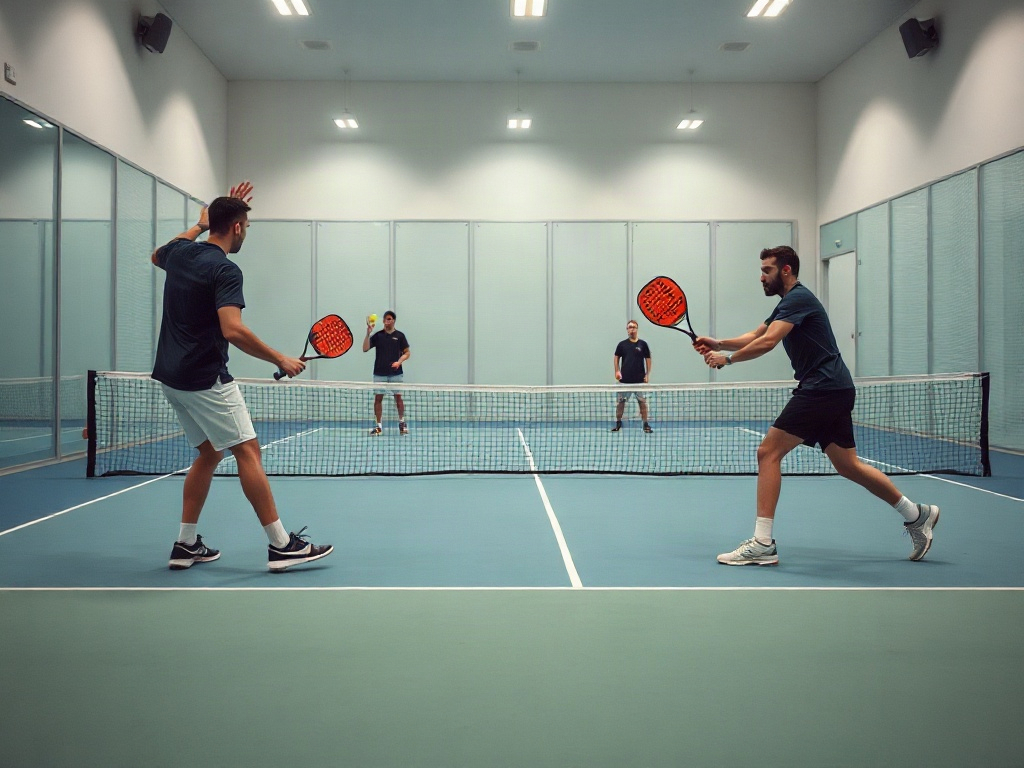
Weather is the great wild card in outdoor padel, and it can reshape a match faster than most players expect. A calm afternoon can turn into a contest of adaptation if the wind picks up, the temperature climbs, or humidity changes the ball’s response. Heat can make the court feel faster and more physically demanding, while cooler air may slow the game and change the rebound off the glass. Rain obviously has a direct impact, but even dry conditions can feel unstable if the environment is inconsistent. Outdoor players often need to make small tactical adjustments every few games rather than relying on one fixed plan. That flexibility is part of what makes outdoor padel challenging and interesting at the same time.
Wind has a major effect on lobs, serves, overheads, and even simple reset shots from the back of the court. A strong breeze can push a lob long, hold it short, or turn what looked like a safe defensive shot into an easy finish for the opposition. Players may need to flatten certain shots, add extra margin, or avoid high-risk trajectories that the wind can distort. Footwork also becomes more important because balance is harder to maintain when the air is moving unpredictably. In windy conditions, the smartest players usually simplify their game and prioritize control over flair. That often means choosing targets more carefully and accepting that the “perfect” shot is not always the best one.
Outdoor padel is not only about reacting to the wind, but also about understanding how the court and weather combine to influence tempo. On a hot day, the ball can feel livelier, which may encourage quicker attacks and faster transitions to the net. In cooler or damp conditions, rallies may slow down and defensive patience becomes more valuable. Players who can read those shifts early tend to stay one step ahead of the match. That is why outdoor success often depends on awareness as much as technique. The more present you are in the conditions, the better your tactical choices become.
How Indoor Conditions Affect Your Game
Indoor padel removes many of the variables that disrupt timing outdoors, and that predictability can transform the way players build points. With stable lighting, reduced wind, and a more consistent environment, indoor matches tend to reward repeatable mechanics and precise decision-making. The ball’s movement is easier to trust, which allows players to commit more fully to their shots. This often leads to longer rallies that emphasize structure rather than survival. Indoor conditions can be especially helpful for players who are still developing their technique. At the same time, advanced players may also prefer the indoor game because it lets them execute more complex patterns with greater certainty.
Because the setting is controlled, indoor padel often highlights technical quality rather than environmental adaptation. Players can focus on shape, spacing, and shot selection without worrying about external interference. This creates a cleaner test of consistency, especially in exchanges near the glass or in transitions from defense to attack. It can also make mistakes more visible, because there are fewer excuses for poor timing or weak contact. Some players feel that this environment sharpens concentration, while others miss the unpredictability and energy of outdoor play. Either way, indoor padel asks you to be precise from the first point to the last.
Indoor temperature control can make a big difference in stamina, grip, and overall comfort during a match. When the court stays relatively stable, players are less likely to be distracted by heat, cold, or sudden weather changes. That stability can help with energy management, especially in long matches where focus begins to fade. It can also improve hand feel on the racket, since sweat and moisture may be more manageable indoors. In contrast, outdoor temperature swings can affect how heavy the ball feels and how quickly your body tires. Players who perform best indoors often appreciate how much easier it is to stay in a rhythm physically and mentally.
| Condition | Indoor Padel | Outdoor Padel |
|---|---|---|
| Ball bounce | More consistent and predictable | Can change with wind, heat, and humidity |
| Lighting | Stable artificial light | Natural light, glare, and shadows may vary |
| Tempo | Often more controlled and rhythmic | Can speed up or slow down with weather |
| Physical comfort | Usually easier to manage | More exposed to environmental stress |
| Tactical focus | Precision and repetition | Adaptation and shot management |
Tactical Adjustments for Indoor vs Outdoor Padel
The smartest players do not just notice the difference between indoor and outdoor courts; they build their tactics around it. Indoors, you can often play with tighter margins because the environment supports cleaner execution. Outdoors, you may need to use safer angles, higher lobs, and more conservative shot selection to reduce the risk of errors. The ability to switch between these approaches is what makes an adaptable padel player. In both settings, the best decisions usually come from reading the pace of the match and responding to what the court is giving you. Strategy becomes more effective when it is grounded in real conditions rather than habit.
Here are some tactical shifts that often matter most when you move between environments:
- Play with more margin outdoors, especially when wind or sunlight affects ball tracking.
- Use precision and speed more freely indoors, where the ball is easier to control.
- Accept that lobs require extra caution outdoors and extra confidence indoors.
- Favor simple patterns when weather makes the match feel unstable.
- Communicate more often with your partner when conditions change point to point.
Shot selection should reflect the environment as much as the opponent. Indoors, controlled volleys, compact finishes, and well-placed shots often work best because the court rewards clarity and repetition. Outdoor play usually benefits from higher-percentage choices, especially when the wind makes risky angles less reliable. Lobs can be a powerful outdoor tool, but only when the conditions support them; otherwise, they become an easy target. In both settings, the key is not to force a style that the court is actively resisting. Players who match their shot choices to the environment generally maintain better control of the point.
The most effective players also understand when to speed up the point and when to slow it down. Indoors, acceleration can be more predictable, so finishing opportunities may come from sustained pressure rather than surprise. Outdoors, patience often becomes a weapon because the opponent may already be fighting the elements. A disciplined player will use the environment to create discomfort instead of simply reacting to it. That difference may seem small, but it often decides close matches. The more deliberately you select your shots, the less the conditions control you.
Equipment Considerations
Gear choices matter more than many players realize, especially when switching between indoor and outdoor padel. Balls may behave differently depending on temperature and exposure, while footwear needs to provide reliable traction on the specific surface and under the expected conditions. Apparel also plays a role, since breathable clothing can help outdoors while indoor play may call for lighter, less weather-dependent layers. A comfortable grip and proper shoe support can make the difference between steady movement and constant adjustment. Players who prepare their equipment with the environment in mind usually start the match with more confidence. Small equipment decisions can produce surprisingly large performance gains.
It also helps to think about durability and consistency rather than just style or preference. Outdoor conditions can put more stress on gear, especially if heat and moisture are involved. Indoors, the equipment may last longer and feel more stable from point to point. Your goal is to remove as many avoidable distractions as possible so you can focus on the match itself. If you regularly alternate between courts, keeping a separate setup for each environment can be a practical advantage. The better your gear matches the setting, the easier it is to play naturally.
Which Is Better for Beginners?
Beginners often benefit from indoor padel because it reduces the number of external variables they must handle at once. When the ball bounces more consistently and the light stays stable, it becomes easier to learn timing, spacing, and basic shot control. That can accelerate confidence, especially for players still developing movement patterns and court awareness. Outdoor padel is not necessarily harder in a technical sense, but it can feel less forgiving when conditions are changing. New players may find that the outdoor game exposes gaps in their decision-making more quickly. For that reason, many coaches see indoor play as a smoother entry point into the sport.
Still, learning both environments early can be valuable because it prepares players for a wider range of match situations. If you only practice in one setting, the transition to the other can feel sharper than expected. A beginner who experiments with both indoor and outdoor courts will start to understand how conditions affect confidence, shot choice, and recovery. That knowledge becomes useful later when competition asks for flexibility. In the long run, the best environment is often the one that helps you learn fastest and enjoy the process enough to keep improving. Comfort matters, but adaptability matters too.
Conclusion
Indoor and outdoor padel may share the same basic rules, but the way the game unfolds changes significantly with the environment. Indoor courts favor stability, precision, and repeatable patterns, while outdoor courts demand adaptation, patience, and a stronger read on changing conditions. The differences show up in ball behavior, visibility, comfort, and tactical choice, which means the smartest players adjust their approach before the first rally even settles. Once you learn to recognize what the court is asking for, you can respond with more confidence and fewer mistakes. That ability to adapt is often what separates a capable player from a truly effective one. Whether you prefer the consistency of indoor play or the challenge of outdoor conditions, understanding both will make your game stronger overall.
Frequently Asked Questions
- What is the biggest difference between indoor and outdoor padel?
The biggest difference is the amount of environmental influence. Outdoor courts are affected by wind, sunlight, temperature, and humidity, while indoor courts are much more stable and predictable. - Is outdoor padel harder than indoor padel?
It can be, mainly because weather and lighting can make the ball behave less predictably. Some players enjoy that challenge, but it usually requires more adaptation. - Does the ball move faster indoors or outdoors?
It depends on the conditions, but indoor play often feels more consistent. Outdoors, heat, wind, and humidity can speed up or slow down the ball in noticeable ways. - Should I change my strategy when playing outdoors?
Yes, especially if wind or sunlight is affecting the match. Outdoor play usually rewards safer margins, smarter lobs, and more flexible decision-making. - Is indoor padel better for beginners?
Many beginners find indoor padel easier because the conditions are more controlled. That makes it simpler to learn timing, positioning, and basic consistency.