
How Often Should You Play Padel? Building a Sustainable Weekly Routine

Padel can be deceptively demanding: it looks playful and social from the outside, yet the repeated accelerations, quick stops, overhead shots, and constant changes of direction ask a lot from the body. That is exactly why the question of how often you should play matters so much. The best answer is rarely “as much as possible,” because progress in padel depends on both practice and recovery. A sustainable weekly routine helps you improve without burning out, keeps your joints happier, and makes the sport feel enjoyable for longer. It also gives you a practical way to balance padel with work, family, and the rest of your training. In other words, frequency is not just a fitness decision; it is a longevity strategy.
The ideal playing schedule depends on your current level, your recovery capacity, and what you want from the sport. A beginner who is still learning footwork and timing needs a very different rhythm from a competitive player preparing for matches. Age, sleep, stress, and other training activities all shape how much padel your body can handle well. Some players thrive on two focused sessions a week, while others can manage four or more when intensity is controlled. The goal is not to chase the highest number of court hours, but to find the amount that you can repeat week after week. When your schedule supports consistency, your game usually improves faster and feels better along the way.
What Determines How Often You Should Play
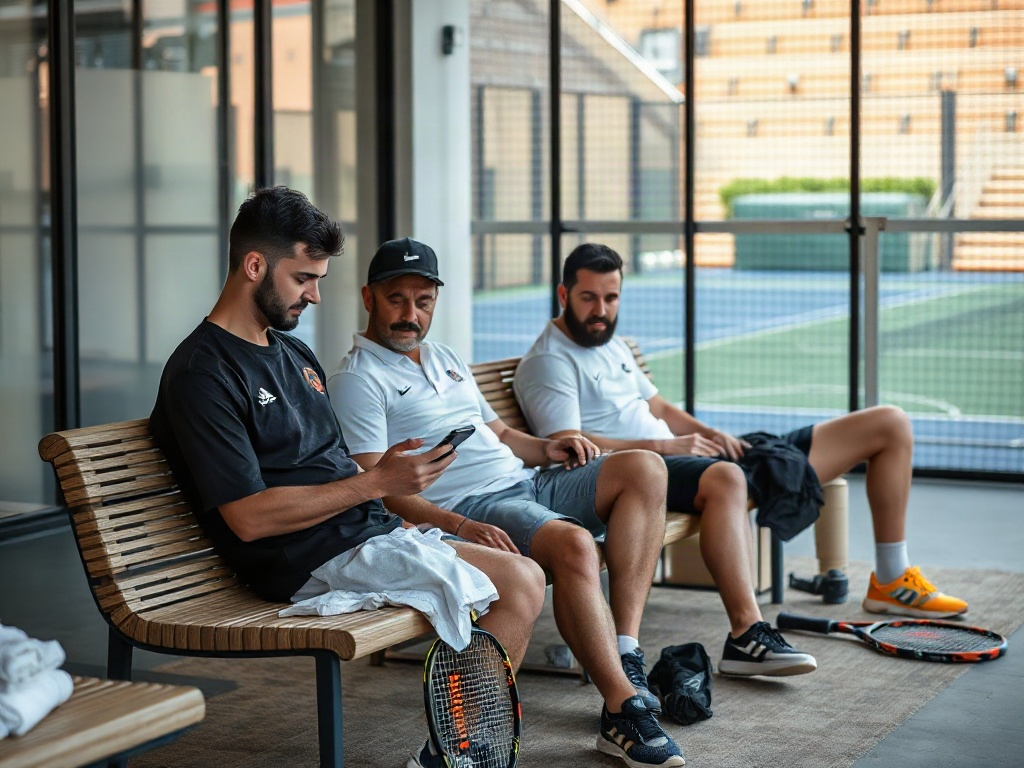
Before choosing a weekly frequency, it helps to understand the factors that influence recovery and performance. Two players with the same skill level may need completely different routines depending on how much they sleep, what else they train, and how physically demanding their sessions are. A hard-fought match with long rallies is not the same as a casual hit with friends, even if both last an hour and a half. Your body responds to total load, not just the number of times you step onto the court. That is why the smartest weekly routine starts with honest self-assessment. Once you know your baseline, you can build a schedule that supports progress instead of creating friction.
- Current fitness level: Stronger cardiovascular fitness and lower-body endurance usually support more frequent play.
- Skill and experience: Beginners often need more recovery because movements are less efficient and more physically taxing.
- Age and recovery capacity: Older players may need more spacing between intense sessions to stay fresh and avoid overload.
- Training goals: Fun, fitness, technical improvement, and competition each require a different balance of volume and intensity.
One of the clearest signs that you may be doing too much is not dramatic pain, but a slow decline in quality. You may notice that your reactions feel sluggish, your legs are heavy from the first game, or your concentration fades earlier than usual. Small signals often appear before bigger problems, so it is worth paying attention to them early. A sustainable routine should leave enough energy for life outside the court, not drain it completely. If every session feels like a survival test, the overall plan may need adjusting. The right frequency should challenge you while still allowing you to enjoy the game.
Overuse in padel often shows up gradually, especially when enthusiasm outweighs recovery. You might feel unusually sore for more than a day, or notice that joints such as the elbow, shoulder, or knee are becoming sensitive after play. Motivation can also drop when the body and mind are under too much stress, even if you still like the sport. Performance tends to drift downward as fatigue accumulates, which makes sessions feel less rewarding. The point is not to fear frequent play, but to respect the warning signs that suggest your routine needs more breathing room. Responding early usually prevents bigger setbacks later.
Recommended Padel Frequency by Player Type

There is no single ideal number of padel sessions per week, but there are sensible ranges that work well for most players. Beginners usually benefit from fewer sessions because their bodies are adapting to unfamiliar movement patterns, grip work, and court positioning. Intermediate players can often handle more regular play as technique and efficiency improve. Advanced and competitive players may train more often, but that usually comes with better planning, sharper recovery habits, and more variation in session intensity. The best routine is the one that matches your current stage rather than your ambitions alone. As your body adapts, you can increase frequency in a controlled way.
| Player Type | Suggested Weekly Frequency | Main Focus | Recovery Priority |
|---|---|---|---|
| Beginner | 1 to 2 sessions | Learning basics, footwork, and shot control | High |
| Intermediate | 2 to 3 sessions | Consistency, tactics, and match experience | Moderate to high |
| Advanced / Competitive | 3 to 5 sessions | Performance, intensity, and tactical refinement | Structured and deliberate |
For beginners, the priority should be learning without overload, because too much volume too soon can make technique sloppy and recovery slow. Two shorter sessions per week are often enough to build familiarity while still allowing the body to adapt. Intermediate players usually progress well with two or three sessions, especially when one session is more technical and another is more match-focused. Competitive players can train more often, but not every session should be high intensity, because that is where fatigue accumulates quickly. The key is not simply adding court time, but distributing stress intelligently across the week. When you do that, your progress becomes more stable and your body stays more responsive.
- Beginners: Start with 1 to 2 sessions per week and leave at least one rest day after harder play.
- Recreational players: Aim for 2 to 3 sessions per week to build rhythm without overwhelming recovery.
- Competitive players: Use 3 to 5 sessions only if intensity is managed and support work is in place.
How to Build a Sustainable Weekly Padel Routine
A good weekly routine is built around rhythm, not randomness. If every session is inserted whenever you feel like it, you may end up with two intense days back-to-back followed by several days of soreness and low energy. A more sustainable structure alternates padel with recovery and complementary training so that the body has time to adapt. It is also useful to separate technical practice from full matches, because each demands something different. Technical sessions can be lower stress and more focused, while matches often create higher emotional and physical load. When the week is designed with intention, you gain more from each session and reduce the chance of running hot and tired.
One practical model is to place harder sessions farther apart and use the days in between to recover or train lightly in other ways. For example, you might play padel twice in a week, include one strength session, one mobility or conditioning day, and one full rest day. If you want a third court session, make it lighter and more technical rather than another intense match. This keeps the total load manageable while still giving you enough court exposure to improve. The exact pattern will depend on your schedule, but the principle stays the same: stress the body, then let it absorb the work. That cycle is what creates durable improvement.
- Padel session: Use this for matches, drills, or tactical practice depending on the day.
- Cross-training day: Add strength, mobility, or low-impact cardio to support performance.
- Rest day: Allow the body to recover fully so the next session feels productive.
- Light technique day: Keep intensity low if you want extra court time without heavy fatigue.
Recovery is not an optional add-on; it is part of the routine itself. Warm-ups prepare your joints and muscles for the abrupt movements that padel demands, while cool-downs help you transition out of high effort more smoothly. Sleep, hydration, and nutrition also matter more than many players realize, especially when sessions become frequent. If you are training several times a week, your body needs predictable support to repair tissue and restore energy. Active recovery, such as walking, gentle cycling, or mobility work, can keep you moving without adding excessive strain. The more consistent your recovery habits are, the more reliable your weekly play becomes.
How to Adjust Frequency Without Losing Momentum
Your ideal number of sessions is not fixed forever, because your life and your game change over time. You may need to increase frequency when your fitness improves or when you start preparing for a tournament. You may also need to reduce volume during periods of stress, travel, or heavy work commitments. The smartest players adjust before they hit a wall rather than after. Tracking how you feel after each week can reveal patterns that are easy to miss in the moment. If you are consistently fresh, focused, and motivated, your current routine is probably working.
On the other hand, if you notice recurring soreness, falling enthusiasm, or a plateau in performance, that is usually a sign to reassess. Sometimes the answer is not fewer games, but better spacing or less intensity in some of them. For example, replacing one hard match with a lighter drilling session can preserve frequency while improving recovery. Seasonal changes matter too, because hotter weather, tournament blocks, or extra training phases can all shift your capacity. The most sustainable routines are flexible enough to grow with you. That flexibility is what makes progress sustainable rather than temporary.
Conclusion
How often you should play padel depends on your body, your experience, and what you want to get out of the sport. For most players, the best answer is a manageable weekly rhythm that balances court time with recovery, rather than a crowded schedule that leaves you flat. Beginners usually do well with one to two sessions, recreational players often thrive on two to three, and more advanced players may handle additional volume if the load is planned carefully. What matters most is not chasing a perfect number, but building a routine you can repeat comfortably. When your schedule supports both progress and enjoyment, padel becomes easier to sustain long term. That is the real win: a routine that keeps you improving without making the game feel like a burden.
Frequently Asked Questions
- How many times a week should a beginner play padel?
A beginner should usually start with one to two sessions per week. This gives enough time to learn basic movement patterns, build confidence, and recover properly between sessions. - Can I play padel every day?
Some advanced players may play daily, but most people do better with rest days in the week. Daily play without careful intensity control can lead to fatigue, soreness, and reduced performance. - What is the best weekly padel schedule for improvement?
For many players, two to three sessions per week works well when combined with rest and light cross-training. This balance gives enough repetition for improvement without overloading the body. - How do I know if I need more rest?
If you feel persistent soreness, heavy legs, low motivation, or a drop in performance, you likely need more recovery. These signs usually mean your current routine is too demanding or too compressed.